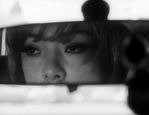
Eddie (Pîtâ) is a transvestite in Tokyo who makes his money from a local gay bar, but he is feeling the pressure. He has a rival in love for the attentions of Gonda (Yoshio Tsuchiya), the older owner of the establishment, and even after they have spent a pleasurable afternoon together Pîtâ grows paranoid that Leda (Osamu Ogasawara) is hanging around to spy on them - is that him standing by the roadside as they drive by? However, Eddie will have worse problems than that to endure: he has a dreadful secret in his past and secrets like that have a way of coming back to haunt him in shocking ways.
Shock would appear to the order of the day in Toshio Matsumoto's Funeral Parade of Roses, or Bara no soretsu if you were Japanese, which took an unflinching look at the gay scene at a time when such subjects were taboo, yet crucially arrived around the moment that international cinema was opening up to be more inclusive of what might be conservatively termed "alternative lifestyles". The director utilises a variety of approaches to bring this scene to life, from drama to documentary to the purest, sensational exploitation.
Matsumoto found a star for his film in Pîtâ, so called because of his supposed resemblance to Peter Pan, and he is a charismatic figure even if he seems out of place in the more thriller-like sequences, particularly that grotesque ending. As well as acting out a role, Peter is interviewed onscreen as are many of his friends about the subsection of society they hail from, and also about what they think about the film they are in. The star inadvertently gives away the big twist in his interview, but if you are aware that the director was inspired by the Oedipus Rex myth, then you might be able to guess it.
Although deeply avant garde for its era, perhaps time has been kind to its depiction of people who must have seemed alien and curious, even threatening in some ways, to the mainstream community. Most nowadays would not be taken aback by the sequences of men dressed as women, or even the sensual love scenes which comprise of many closeups - just not closeups of anything that would frighten the horses. In its own way the film is a dip into Tokyo's gay world of yesteryear and for that offers at least historical interest.
On the other hand, Matsumoto appears to think that he has to pile idiosyncrasy upon scandal, and it's not long before his film is growing thuddingly self-indulgent. Therefore we are offered Pîtâ and his friends lolling around getting stoned and stripping off in a game of "stagger along the white line" and there are various almost-subliminal shots of writing and imagery, such as an arse with a rose sticking out of it (which may remind viewers more of Carry On Nurse than anything else). And Eddie's secret? He stabbed his mother and her lover to death when he caught them smooching, his father having deserted the family some time before, and now fate will have its revenge. None of this really marries, but for representing the atmosphere of a society in flux then Funeral Parade of Roses is pretty vivid. Music by Joji Yuasa.