Iceland. A nation of 300,000 people, 90 music schools, 6,000 choir members, 400 orchestras and marching bands, and an unknown number of rock bands, jazz combos and DJs.
Opening with shots of Iceland’s harsh but majestic mountains complemented by the equally majestic music of Sigur Ros Screaming Masterpiece is Ari Alexander’s exploration of his homelands eclectic music scene. Artists such as Bjork and more recently Sigur Ros have found an international fan base, but this is just the tip of the iceberg of this ruggedly beautiful country’s musical treasure trove.
For the most part during the documentary’s 88 minutes Ari lets the music speak for itself, eschewing overly academic examination and dissection he focuses primarily on footage of the many bands performing live. Nevertheless there are some interesting insights from band members, writers and even Iceland’s Head Pagan (!) which go someway to explaining what makes the country’s music scene so unique; the connection with epic poetry, the historical influence of the Vikings, and the geographical location of the country somewhere between Europe and America, are all given as contributing factors.
The artists interviewed, such as Dagur Kari (Slowblow band member and filmmaker in his own right, responsible for Noi Albinoi) represent a group of musicians with a spirit of community, an almost familial relationship exists between them. What is also undeniably apparent from the comments of the interviewees is the sense of national identity (the country only became independent in 1944) linked to the preservation and pride in the past and ancient traditions. This notion is a constant throughout the documentary and something which seems to be uniquely Icelandic, there is certainly nothing comparable in the British contemporary music scene.
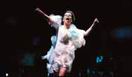
British music has, however, played its part in informing young Icelandic musicians. Footage from Fridrik Por Fridriksson’s Rokk I Reykjavik documentary, which includes a youthful Bjork, shows the way punk sensibilities were adapted by Icelandic bands in the late 70s and early 80s. Many of the new generation of contemporary groups that sprung out of this scene also sing in English, which seems at odds with the sense of national identity. If there is a major flaw in Ari’s film it is that this issue is never examined. The documentary is also a tad formless in construction with little sense of narrative. But this is a minor quibble as the extensive live footage is not only entertaining but interestingly juxtaposed; from a small recital at a local church to the internationally acclaimed Bjork at a stadium gig in New York for example. A gig at the home of Iceland’s president also gets some screen time alongside beer soaked club performances.
Screaming Masterpiece is, despite many shots of impressive Icelandic landscapes, a documentary that is arguably better suited to the small screen and its release on DVD includes the welcome addition of almost an hours worth of informative extra footage. A performance led rough guide to Icelandic music rather than a dry documentary it’s unashamedly free of criticism with a sense of national pride running throughout, and successfully brings the country’s diverse music scene to a wider audience. For those who have become entranced by Bjork or captivated by Sigur Ros this is essential viewing and anyone interested in opening their ears to new music will find something here to cherish.